
What is complex care?
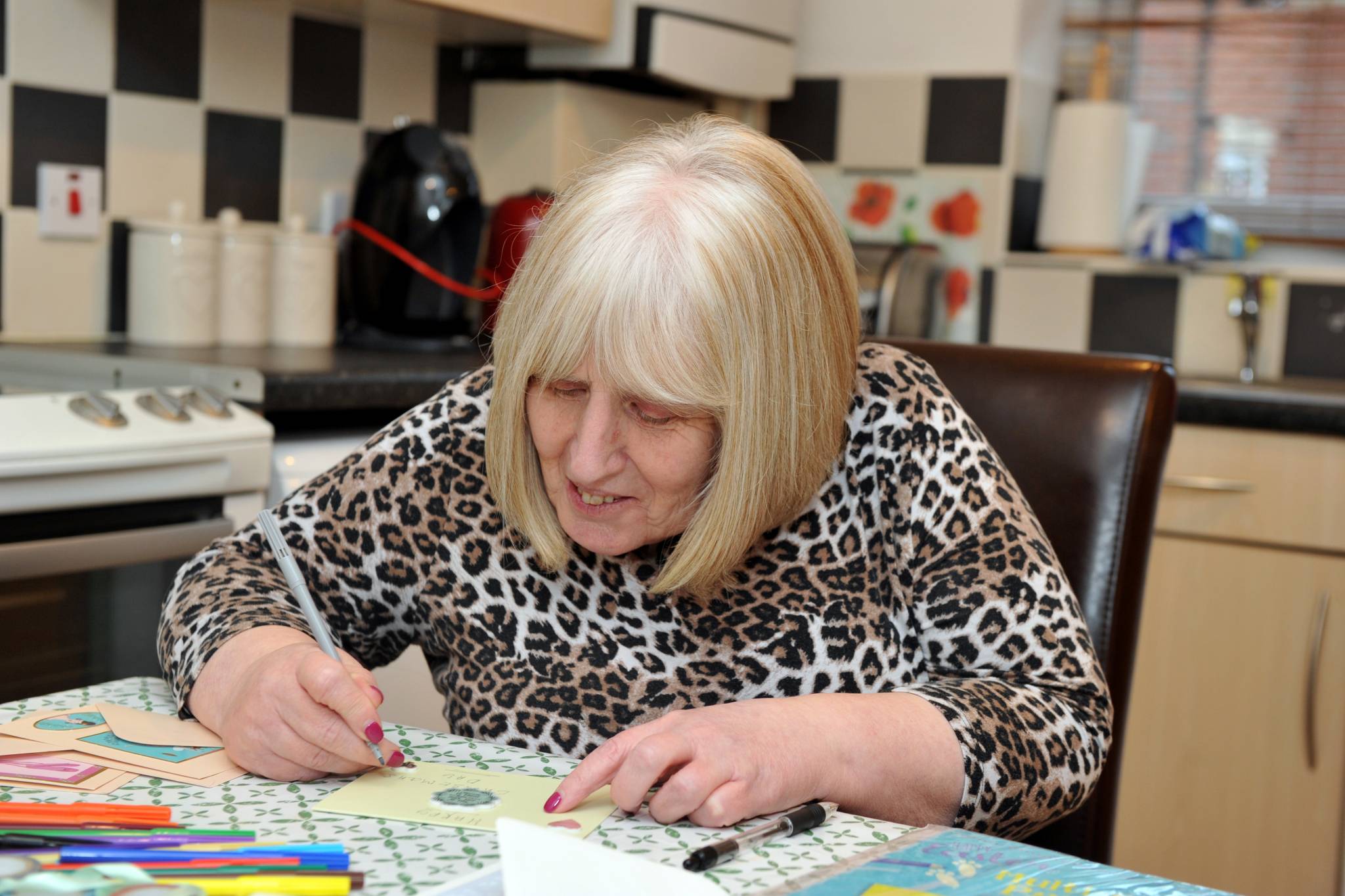
Complex care describes care for people with long-term health conditions such as acquired brain injuries and physical disabilities. Often, individuals will have several associated conditions alongside their primary diagnosis, such as a heart condition, epilepsy or diabetes.
Providing support for people with complex care needs requires careful planning and an understanding of the intricacies of the various health conditions involved and their treatment, to ensure that individuals can live their lives as independently as possible. Specialist support based on an individual's unique needs is required to ensure each person's well-being and quality of life.
In this blog, we will cover:
- Complex care meaning
- Complex care vs standard care
- Types of complex care
- The benefits of complex care
- Residential care for complex needs
- Supported living for complex needs
- How Lifeways can help
- Frequently asked questions
Complex care vs standard care
What makes care complex isn’t just a single diagnosis, but the connection between multiple physical, mental and behavioural needs that require the type of specialist support we provide at Lifeways.
At Lifeways, our specialist support team works with our dedicated support workers to ensure they are trained and feel equipped to deliver and address each person's needs effectively - this could include:
- Diabetes management
- Catheter care
- PEG/PEJ feeding
- Nutritional support
- Medication administration
- Epilepsy care
- Mobility challenges
This means care can be provided in a person's home environment, helping to avoid unnecessary hospital admissions.
Examples of complex care needs
The most common types of complex care needs Lifeways can support may incorporate a combination of the following:
Complex care support can also benefit people who display behaviours that challenge, by utilising trusted methods, including Positive Behaviour Support (PBS). PBS employs a person-centred approach to ensure a positive impact on a person’s quality of life by supporting people to effectively manage their needs. Download our brochure to find out more about our approach to Positive Behaviour Support at Lifeways.
What are the benefits of complex care?
Our support teams are trained to help people with a wide variety of healthcare needs, meaning that those living with multiple conditions or diseases can benefit from comprehensive care.
A complex care support plan is developed for each individual - taking into account their current situation, any support needs, and future ambitions.
Care tailored to each individual’s complex needs
However, to create a complex care support plan, it’s important to understand a person’s ‘complex’ variables, including any challenges they present. Therefore, support plans are created to reflect the impact of their medical and/or psychological conditions, and how we can manage them proactively and positively.
“We encourage our residents to be independent, develop daily living skills and become active members of the local and wider community,” said Lifeways’ Team Leader, Roger.
A complex care plan that helps you live independently
Some people’s needs might impact their ability to live independently. Care plans will then include ways to overcome any barriers to living independently, such as communication tools, activity planners and assistive technology. It’s also important to include meaningful engagement opportunities to allow those with complex care needs to build and maintain relationships and get involved in their local community.
It might be that someone needs assistance managing their environment, and so plans could include breaking down tasks into manageable steps and identifying ways to support decision-making.
Support plans are regularly reassessed to ensure that the person’s expectations are met, and they’re receiving the best possible level of care.
To summarise, the complex care we offer at Lifeways allows people to:
- Maintain independence
- Avoid unnecessary hospital admissions
- Significantly improve their confidence
- Benefit from long-term health and well-being
Want to find out if complex care is right for you or your loved one? Our team is here to help. Contact us to make a referral or request a call back from our professional team.
Residential care for people living with complex care needs
We have residential care options across the UK, offering places for people with complex care and support needs to live in welcoming and stimulating environments.
Residential care is best suited for those requiring 24/7 specialist support with their day-to-day tasks, including taking medication and personal care. Where required, some of our homes also provide access to assistive technology to further aid with independent living.
Each home provides residents with the opportunity to enjoy spending time with others in the communal living spaces and kitchen areas, while maintaining the privacy of their own bedroom with en-suite wet room or bathroom facilities.
Those with complex care needs can benefit from 24/7 on-hand support that a residential care home can offer, whilst enjoying the social benefits and environment.
Supported living for people with complex care needs
Supported living is a fantastic option for those with complex care needs who would benefit from support that fits seamlessly around their lives.
The specialist teams offer both core and 1:1 support, all of which is designed around individual needs and wishes.
Support that boosts your confidence
Jordan, a person we support, used to feel most comfortable when he was at home. But after a first-time trip to Spain, he’s boosted his independence and is now planning more trips and even going to college. His support team is delighted.
“The trip has solidified a sense of confidence in Jordan that he did not previously have,” says his service manager, Charleen.
“Due to the encouragement of his support team, he knows that there is so much to see in the world, and we can support him to do so.”
How our in-house Specialist Support Team can help
At Lifeways, both our supported living and residential care services ensure a positive impact on an individual’s quality of life. The in-house Specialist Support Team helps our teams to understand the impact a person's condition or disease has on their needs, and how to adapt their support plans accordingly.
“The specialist support team works really well as a wrap-around service that is available to everyone who needs it. We work up and down the country supporting staff teams by providing tailor-made training and completing robust assessments in order to understand behaviour,” said Jo Lourmpa, our PBS Strategic Lead at Lifeways.
We ensure that our specialist support team has the training they require to support people effectively with varying needs. They understand the impact that someone’s condition or disease has on their life, and are given tools such as health monitoring forms to ensure they’re managing and assessing everyone’s conditions carefully.
Listen to our podcast to find out more about how we support people living with multiple complex care needs.
How Lifeways can help
Lifeways offers a range of support options, designed to fit around a person’s needs and wishes. Whether it’s assistance with day-to-day tasks or 24-hour round-the-clock support, our specialist teams are trained to provide the best possible care and support.
From the referral stage to moving in, we’ll be here to support you every step of the way.
Complex Care FAQs
What is complex care in mental health?
Complex care takes into consideration both physical and psychological health conditions to create a care plan which meets each person’s unique needs. Someone with complex care needs might have numerous long-term health conditions, which should be addressed on a case-by-case basis to offer a personalised approach to support planning.
What is the meaning of complex care?
Complex care often refers to people with multiple conditions, who require support to manage their symptoms and daily tasks. Complex care and support is often delivered by a team of healthcare professionals who work together to develop a care plan which meets a person’s unique needs.
What is a complex care plan?
A complex care plan is created for anyone with complex care needs to ensure they receive the best support to manage their long-term health conditions.
Who is complex care suitable for?
Complex care is suitable for people who require ongoing support due to multiple health conditions and would benefit from a tailored approach.
Related articles
News
14 October 2026
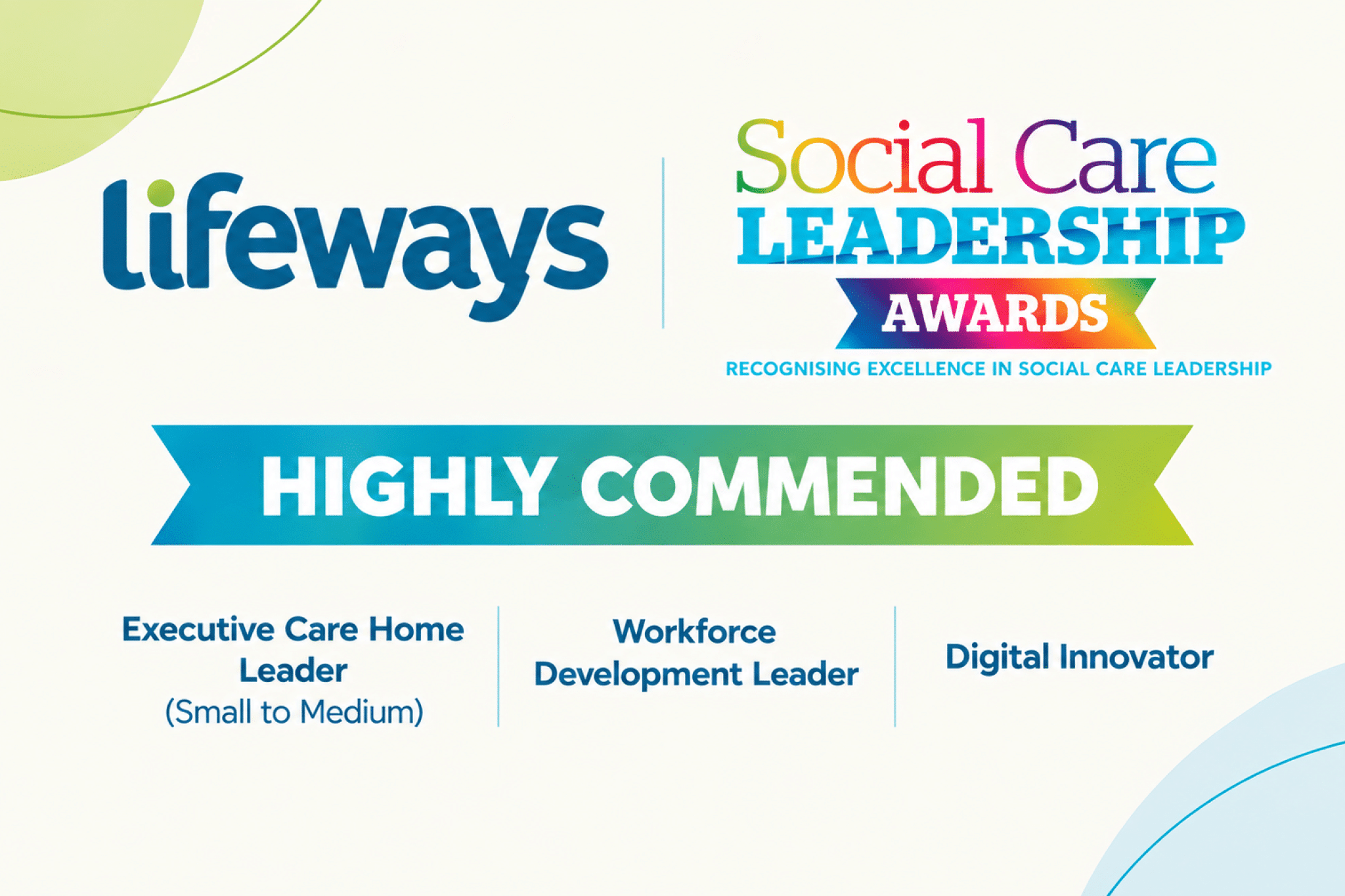
Lifeways team members Highly Commended across three categories at 2026 Social Care Leadership Awards
Case study

14 October 2026
A familiar and trusted face at Alexandra Park
News

9 October 2026