
From anxiety to self-expression: How personalised support helped Tash find her voice at Kingdom House
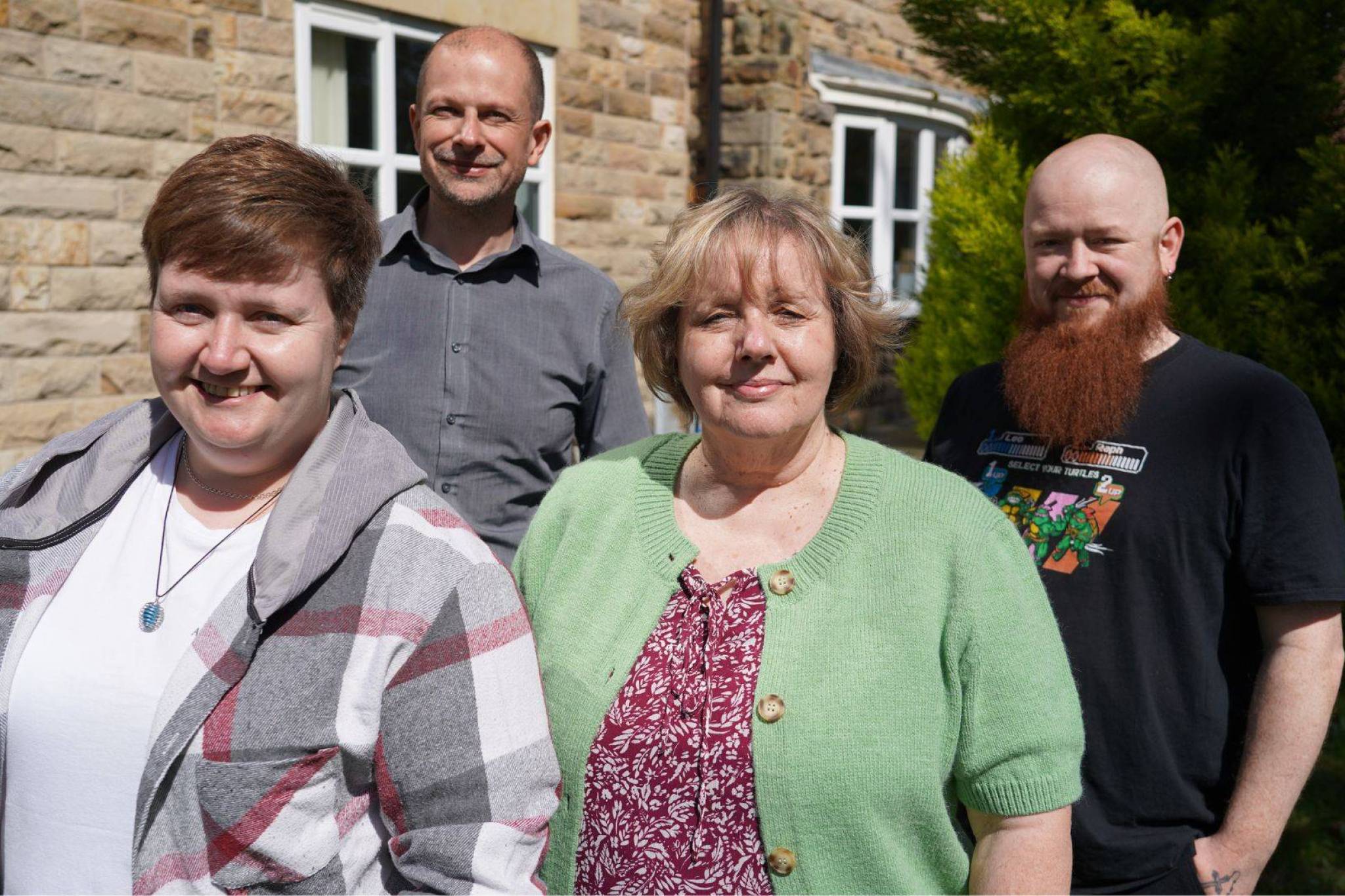
At Kingdom House residential care service in Sheffield, Tash’s story shows what can happen when support moves beyond managing behaviour and starts with understanding the person beneath it.
For Tash, daily life used to be marked by frequent incidents of distress and self-injurious behaviour. Eight months ago, her team were seeing numerous incidents a week. Today, that has reduced significantly to around three or four incidents a month.
For the team at Kingdom House, that progress has come not from imposing more control, but from looking more closely at what Tash was really trying to communicate.
For years, much of Tash’s life had been defined by anxiety, uncertainty and repeated incidents of self-injurious behaviour. Her team often responded to two or three significant incidents a day. Some escalations were so severe that emergency healthcare professionals would need to attend to check injuries and ensure she was safe.
When the team looked closely at Tash’s routines, triggers and day-to-day experiences, her team started to recognise a pattern. Much of her anxiety appeared to revolve around going out for coffee, getting drinks, or asking repeatedly to go out.
If Tash was uncertain when she would next be able to go out, the uncertainty built and so did her levels of anxiety. What looked like repeated demands for coffee was not really about coffee at all.
Service Manager Andrew Sharp explained: “One day I said to her - ok let’s go to the kitchen and make a coffee. Suddenly she didn’t feel the urgency to go. That was when we realised this was all about reassurance. She needed to know that she could go out, who she was going with, how she was getting there, and that it was definitely going to happen.”
That insight changed everything.
Repeated reassurance
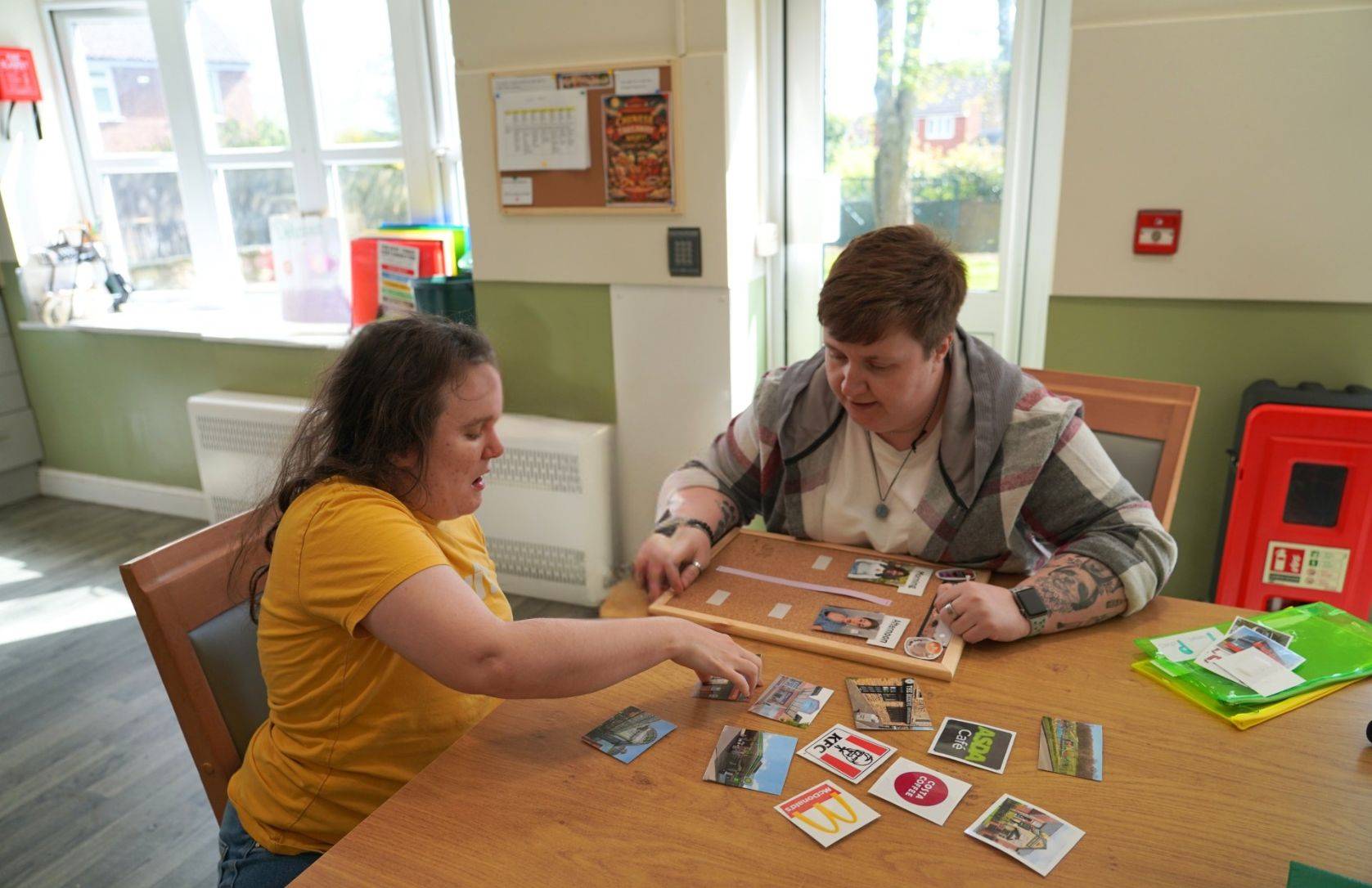
The team focused on predictability, choice and trust. They introduced a reassurance board that Tash now uses with her support team every morning and afternoon. On it, she chooses; who she is being supported by, where she wants to go, how she would like to travel there and what activity she wants to do. She can change her mind, nothing is fixed. But the board gives her control, predictability and certainty. She knows her outing is happening. She knows who is supporting her. She knows she has options.
Oliver Shaw, Deputy Manager explained that once Tash felt in control to make choices with support, her team quickly saw the intensity around drinks reduce.
“It gives her control in a positive way, she’s chosen it herself, so the day feels safer and smoother for her. She didn’t actually want more coffee, she wanted the freedom to know it was available.”
A dramatic change in daily life
The impact has been significant.
Incidents that once happened two or three times a day have reduced to around three or four times a month. When they do happen, the team have noticed that they are often far less severe than before. But perhaps the biggest change is in how she experiences her day-to-day life.
Previously, Tash would come into the office anxious, repeating requests and seeking reassurance from managers. Now, she often visits the office simply to talk. She will advise them what she is doing that day, shares her plans and updates them afterwards too. Sometimes she just sits comfortably in the office for company.
“It’s a completely different Tash that we see in here now,” Andrew said. “Before, she came in because she needed something. Now she comes in because she wants connection.”
The day nobody saw coming
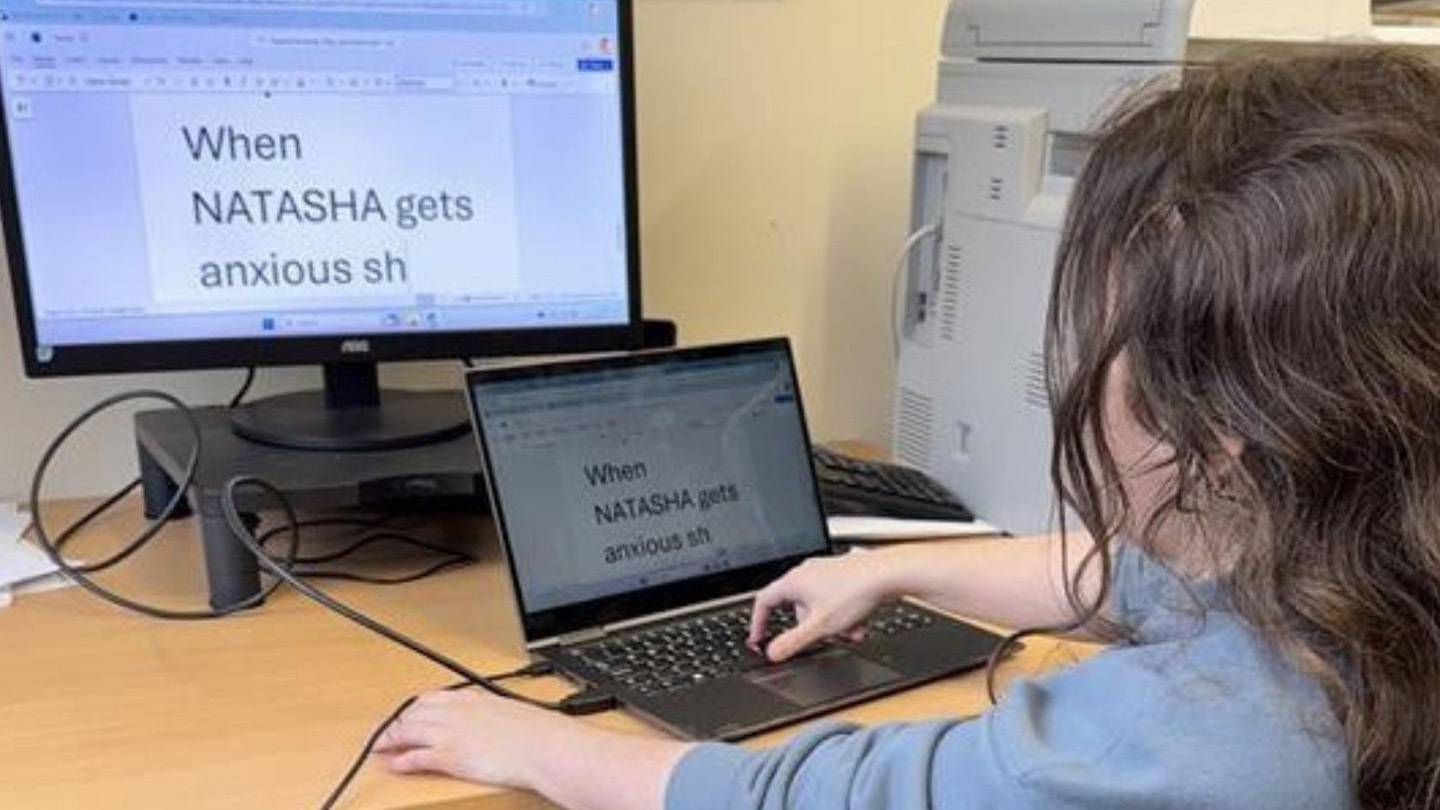
One day, during an anxious period, Tash entered the office while members of the team were working on laptops. Without prompting, she sat down, moved a laptop toward herself, and began typing. The team had never seen her write, spell or even use a computer before.
She started typing. At first, she typed the names of team members, not just her current team but names from years ago too. She spelled the names accurately from memory, including some complex names that others admitted they would have struggled to remember or spell themselves. Then she moved on to; days of the week, months of the year, seasons, sentences about herself, statements about how she was feeling and finally messages about how the team could support her. By the end of her typing session, she had typed 17 pages and her anxiety levels had returned to baseline.
Among the words were powerful statements such as:
“Natasha will not bang her head.” “Be proud of Natasha.” and guidance on how to help her when she feels anxious. The team were stunned.
“It absolutely blew my mind,” said Team Leader Natalie Waite. “We never knew she could type and had never seen anything like this before.”
A new way to communicate
That moment opened a completely new chapter for Tash. Since then, Tash has continued using typing as a way to express herself. She has written messages to the team, started contributed directly to her own support planning and has even written into her Nourish support plan herself. She now uses her typing to communicate, reflect and regulate. Sharing with the team what helps when she feels anxious and uses words to describe what she wants her support team to do when she feels this way.
The team are now arranging for Tash to have her own desktop computer and printer.
They hope it will give her a consistent outlet for communication, a tool for emotional regulation, a place to record thoughts and feelings, a way to help shape her own support and opportunities to develop skills no one knew she had.
New confidence, new places, new possibilities
The growth has not stopped there.
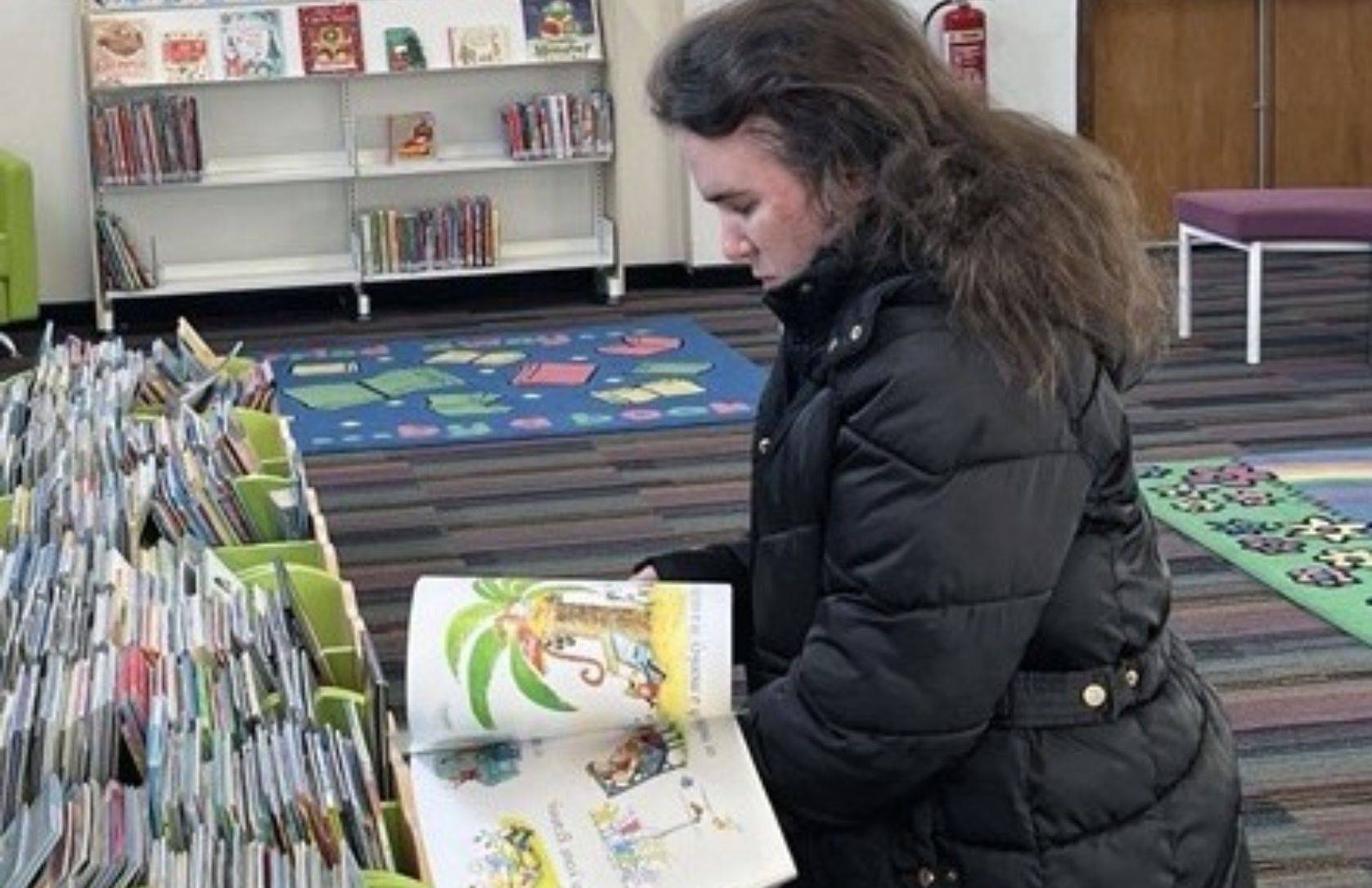
Tash is beginning to visit new places and explore new experiences. Previously, her world centred almost around a few familiar coffee chains. Now she is exploring more. Recent milestones have included: visiting the local library, trying new coffee shops, visiting parks, sitting on benches outdoors and travelling to different locations. At one park, she initially reached the gate and turned back. A short time later, she returned and went inside, picked flowers and sat on a bench.
For the team, those moments are just as meaningful as any formal outcome.
“They’re signs of confidence growing,” Andrew said. “Her world is getting bigger.”
More than behaviour
For years, much of the focus around Tash had been on behaviour. But Kingdom House believes behaviour was only ever the surface. Underneath was intelligence, memory, humour, pride and sensitivity. A need for reassurance. A desire for control. A person who wanted to be seen properly.
Now, with the right support around her, those qualities are emerging. This story is not simply about fewer incidents and improved outcomes, it is about Tash gaining more control of her own life.
Related articles
Case study
27 May 2026
Lifeways helps bridge years of silence between Ali and his mum through letters
News
11 May 2026
Listening differently: How Kingdom House helps every person shape their own support
News

8 November 2021