
From Pints to Purpose - Clive’s leap from hospitality into social care
For more than 20 years, Clive lived and breathed hospitality. But he stepped out of the comfort of familiar routines and into the unknown world of social care - and into Lifeways.
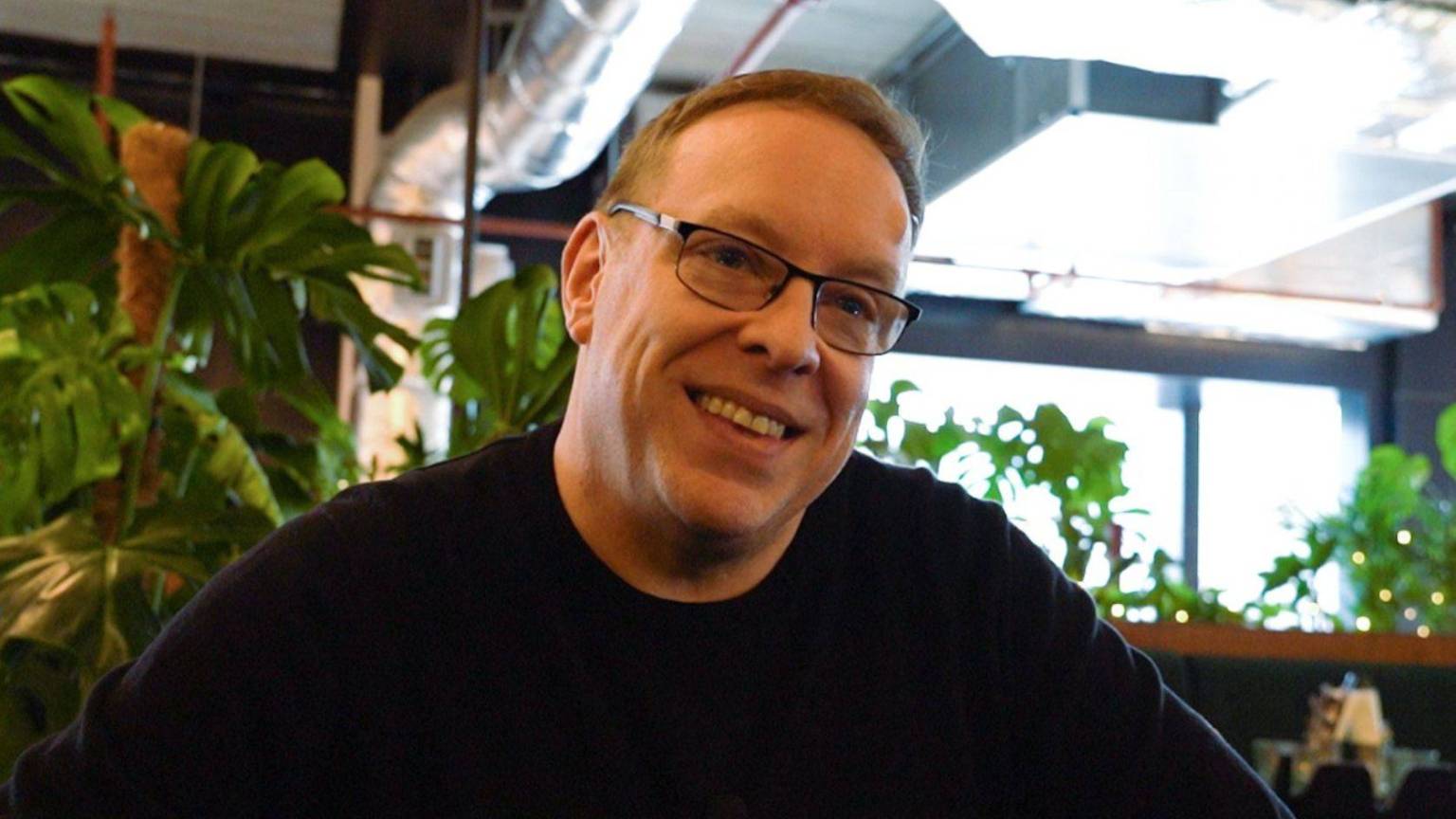
For more than 20 years, Clive Pullen lived and breathed hospitality. He managed bustling pubs, lively restaurants, even a hotel or two. The perks were good, the pace relentless, and he was successful at it.
But as he moved up the ladder, Clive, from Yeovil, Somerset, began to notice something he couldn’t ignore: the number of staff and customers struggling with mental health.
“I realised I was part of the problem, not the solution,” he says candidly. “I was running businesses that sold alcohol while seeing the toll it was taking on people. It became harder and harder to square that with myself.”
So Clive did something few would dare. He walked away.
Out of the comfort of familiar routines, company perks and a steady career, and into the unknown world of social care. And into Lifeways.
Trading bar shifts for support shifts
At first, the leap seemed dramatic - “from pints to purpose,” as Clive puts it with a grin - but the further he went, the more sense it made. Hospitality had equipped him with exactly the skills social care needed.
“The ability to stay calm when things get heated, to listen, to persuade, to negotiate - that’s hospitality in a nutshell,” he says. “And it’s the same in support.”
Instead of juggling rotas and customer complaints, Clive was now scheduling care teams, coaching colleagues, and helping people navigate the everyday challenges of independent living.
He began as a support worker - deliberately starting at the ground floor so he could learn the job firsthand - before progressing to service manager, responsible for staff, residents, and the long-term success of a scheme.
Leadership that listens
In his view, leadership in both sectors comes down to the same thing - support. “As a manager, I see myself as a coach and a mentor,” he explains. “Whether you’re guiding a team member or calming someone in crisis, it’s all about helping people reach their best.”
He draws on commercial know-how too. Payroll, rotas, budgets and even insight into health and safety and fire safety - the tools of running pubs and hotels became surprisingly useful in running a care service.
“I was surprised by how little commercial awareness there sometimes was in social care,” he admits. “But those basics from hospitality can really strengthen a team and a service.”
The rewards that matter
The differences, however, lie in meaning. In hospitality, success was measured in covers, profits, or happy customers. In social care, the rewards are far more personal.
He recalls one man who had spent years in institutional settings, disconnected from everyday life. A simple shopping trip became transformative.
“He didn’t know what a contactless card was, or how to use a self-checkout,” Clive remembers. “Sharing those small life skills - things most of us take for granted - that’s priceless.”
Another time, a person who had once been detained for violent behaviour thanked Clive and his team for helping him stay calm in his own home. “Those moments,” Clive says, “are worth more than anything I ever got in hospitality.”
A path for others to follow
Clive is convinced there are many more like him - people in hospitality with the empathy, resilience, and people skills to excel in social care.
“If you’re good with people, you can succeed in both sectors,” he says. “We just need to encourage more people to take that leap.”
For Clive, that leap has given him more than a new career. It has given him purpose. “I’ve never once woken up dreading going to work since moving into social care,” he says. “And after 30 years in the workplace, that says everything.”
Are you ready to follow Clive into care? Then you’re not just anyone.
Explore a career in care with Lifeways and check out our latest opportunities here: www.lifeways.co.uk/careers